
- Renervate
Did you know that nearly 99,000 Victorian households and businesses have already utilised the Victorian Energy Upgrades (VEU) program to obtain energy-efficient heating and cooling upgrades, significantly reducing upfront costs and saving hundreds of dollars on annual energy bills? This growing adoption highlights how energy efficiency is no longer a future goal but a present-day necessity. In 2026, Victorian homes and businesses are utilising cutting-edge energy-efficient solutions, such as smart heating systems, high-performance lighting, and appliances, to reduce operating costs, meet sustainability goals, and maintain their competitiveness in a rapidly changing energy landscape.
Why Energy Efficiency Matters Now More Than Ever
Why pay more for energy than you have to? 2026 brings the best energy-efficient solutions to Victorian homes and businesses to cut costs and boost sustainability. Energy efficiency matters now more than ever. Due to increasing power bills and climate pressures, smarter technologies, such as LED lighting, smart thermostats, and energy-efficient devices, are crucial for Victorian residential and commercial properties. In addition to lowering expenses, investing in energy efficiency now reduces carbon emissions and makes your property environmentally friendly.
Energy is the lifeblood of Australian industries, powering factories, offices, and supply chains nationwide. Adopting the best energy-efficient solutions in 2026 is not only wise but also necessary to reduce expenses, increase productivity, and maintain competitiveness.
How to Make Your Victorian Homes Energy-efficient
Although the VEU program no longer directly supports energy efficiency in Victorian homes, households can still reduce costs and support the environment by adopting a range of energy-efficient solutions. LED lighting, smart thermostats, energy-efficient appliances, and improved insulation are examples of small improvements that can have a significant impact. Savings are maximised when these are combined with minor routines like maintaining heating systems and shutting off unused electronics.
Here are some tips for making your Victorian house future-ready and energy-efficient.
1. LED Lighting Upgrades
Switching to LED lights can reduce household lighting energy consumption by up to 80%, resulting in lower electricity costs and longer-lasting, brighter illumination. Modern LED systems also include dimmers and motion sensors for increased efficiency.
- Indoor and Outdoor Replacement: Change the conventional lightbulbs in the living rooms, kitchens, bedrooms, hallways, and gardens.
- Dimmers and Motion Sensors: To save even more energy, modern LEDs frequently include dimmers or motion sensors.
- Smart Controls: You can automate lighting schedules and cut down on waste by integrating with smart home systems.
LED upgrades can improve lighting quality and longevity while drastically lowering electricity costs.
2. Draft proofing and insulation
Older homes often lose heat quickly because of single-glazed windows, gaps, and inadequate insulation. A ‘fabric first’ approach can be used, which basically means prioritising the building itself over the addition of sophisticated technologies.
- Insulation of Walls and attic: Stops heat from escaping through ceilings and walls.
- Sealing gaps: Drafts are avoided by properly sealing leaks, which usually occur in doors, windows, and floorboards.
- Double/triple glazing: Upgrading from single-pane windows improves heat retention and reduces external noise.
- In addition to making homes warmer in the winter and cooler in the summer, proper insulation can lower heating costs by as much as 30%.
3. Heat Pumps
Heat pumps offer both heating and cooling, making them an environmentally friendly substitute for gas boilers.
- Air-source heat pumps: Extract heat from the air, even in cold weather, with high efficiency.
- Ground-source (geothermal) heat pumps: Provide dependable heating by utilising the earth’s constant temperature.
They can drastically lower carbon emissions and decrease dependence on fossil fuels.
4. Solar And Battery Storage
Using solar panels to generate your own electricity and storing it in batteries boosts energy independence and lowers costs.
- Solar Panels: Convert sunlight into electricity for everyday household use, lowering reliance on the grid and cutting electricity costs.
- Battery Storage: To ensure maximum self-consumption of clean energy, store extra solar energy for use at night or during periods of high pricing.
Advantages: Using solar power with battery storage can lower electricity costs, increase energy independence, and make your house more sustainable overall.
5. High‑Efficiency Appliances
Modern, energy-efficient appliances can help cut down on electricity use without affecting performance.
- A-Rated Appliances: Install high-efficiency models that use less water and energy in place of outdated refrigerators, washing machines, induction cooktops, and dishwashers.
- Water Heating: Energy-efficient hot water systems give consistent, dependable hot water for the home while using less electricity.
- Benefits: These improvements increase appliance performance, reduce monthly energy costs, and prolong the life of home appliances.
(Source: Service VIC)
6. Practical Energy‑Saving Habits
Simple daily routines optimise energy savings and enhance technology advancements.
- Turn Off Unused Appliances: To reduce standby energy consumption, turn off lights, unplug chargers, and use smart power strips.
- Run Appliances During Off-Peak Hours: To cut expenses, operate dryers, dishwashers, and washing machines at off-peak electricity hours.
- Maintain Heating and Cooling Systems: To keep HVAC systems operating efficiently, perform routine maintenance, clean filters, and inspect for leaks.
- Adjust Daily Habits: Close curtains in the winter, block sunlight in the summer, and turn down the heat or cooling slightly to save energy.
For Businesses And Industrial Settings
Energy efficiency in companies and industrial sites is essential in order to lower operating costs, improve sustainability, and boost competitiveness. Energy use can be greatly reduced by putting smart management techniques and technological advancements into practice.
1. Energy Audits
Comprehensive audits find important areas of energy waste as well as areas that could be improved.
- Identifying Energy Waste: Businesses can identify areas where energy is being misused across activities, systems, and machines by conducting extensive energy audits.
- Machinery and Process Analysis: Audits evaluate how much electricity is used by lighting, HVAC, and production equipment to find inefficiencies.
- Actionable Improvement Plans: The findings provide clear, data-driven recommendations to reduce energy costs, improve performance, and lower carbon emissions.
(Source: TRACTIAN).
2. LED Lighting
Making the switch to LED lighting can significantly lower energy usage and maintenance expenses.
- High-Efficiency Lighting Solutions: Switching to LED lighting drastically lowers maintenance costs and energy usage.
- Smart Lighting Integration: LED systems can be integrated with motion sensors and daylight harvesting for automatic operation.
- Improved Visibility and Savings: Improved lighting reduces electric bills while increasing workplace comfort and safety.
(Source: Choice Energy).
3. Smart HVAC And Automation Systems
- Occupancy-Based Climate Management: To prevent energy waste in unused spaces, automated HVAC (Heating, ventilation, and air conditioning systems) modify heating and cooling according to occupancy in real-time.
- Intelligent Controls and Predictive Scheduling: Smart controls optimise HVAC performance by cutting down on needless run time and energy expenses using data and operational schedules.
- Enhanced Comfort and Effectiveness of Operations: Keeping interior temperatures constant improves staff comfort, output, and general operational effectiveness.
4.Smart Building Software
Businesses can actively monitor, analyse, and optimise energy consumption across buildings and facilities with the help of smart building software.
- Data-Driven Energy Management: Businesses can monitor and control energy use across facilities with the help of data-driven software and save much in costs as well.
- Design and Performance Optimisation: Tools like Autodesk Insight and EnergyPlus support efficient building design and system planning.
- Real-Time Monitoring And Control: Continuous monitoring of lighting, HVAC, and operations helps reduce waste and improve efficiency. (Source: Top Ten Energy Efficient Trends of 2026)
4. Efficient Appliances And Machinery
Businesses can improve operational effectiveness and drastically cut energy usage by upgrading to high-efficiency machinery and appliances. Modern equipment usually has a longer service life, uses less power, and has reduced operating expenses.
- Upgrades to High-Efficiency Equipment: Energy-efficient appliances and machinery can be used to replace outdated ones, resulting in electricity savings and enhancing system performance.
- Lower Operating Costs: Since energy-efficient equipment uses less power, businesses can reduce electricity costs and better control their energy expenditures.
- Extended Equipment Lifespan: Modern, effective machinery frequently has less wear and tear, which leads to fewer malfunctions and a longer lifespan.
5. Renewable Energy And Sustainable Practices
Renewable energy systems minimise emissions, stabilise long-term energy costs, and assist businesses in becoming less reliant on the power grid.
- Reducing Grid Dependence: Businesses can reduce their dependency on conventional power sources by implementing renewable energy systems.
- Solar and Battery Integration: Installing solar panels with battery storage promotes energy resilience and high-energy usage.
- Sustainability and Cost Benefits: Renewables boost sustainability credentials, stabilise energy prices, and cut emissions. (Source: Save Energy And Money).
Key Tools & Programs to Save Energy
1. Victorian Energy Upgrades (VEU) Program
VEU is the main rebate program in the state. It offers up-front savings on:
- Commercial: Cost up to $7,500 for energy-efficient improvements, including high-efficiency motors, commercial heating, and industrial refrigeration.
- Lighting: Businesses can still receive 80% of LED installation expenses paid, even when residential discounts have expired.
2. Energy Monitoring Devices
Tools that provide real-time statistics to stop energy drain.
- Powerpal and Emerald: Inexpensive or free Bluetooth sensors that connect your smart meter to your phone.
- Solar Analytics: Crucial for solar owners to make sure they are utilising power during peak hours when generation is at its highest.
- Commercial EMS: Circuit-level data is tracked by systems like Schneider EcoStruxure, which helps companies detect malfunctioning equipment before it wastes energy.
3. Smart Thermostats
These are high-impact tools because 40% of Victorian power bills are linked to heating and cooling.
- Adaptive Learning: They determine how quickly your home warms up and modify start timings in response to local weather forecasts.
- Geofencing: When the last person leaves the building, the temperature is automatically lowered.
- Zoning: Only provides heating and cooling to rooms that are truly occupied.
(Source: Thermostat And Heating Control Guide).
Partner With Renervate For Energy-efficient Solutions
Energy efficiency has become a financial necessity in 2026 rather than just an option. Accredited as a Victorian partner, Renervate specialises in high-impact energy changes that reduce operating expenses and carbon footprints for residences and commercial buildings.
Why Partner with Renervate?
Navigating the Victorian Energy Upgrades (VEU) program and Solar Victoria incentives is quite complex. That’s why Renervate simplify the process by providing:
- Expert Rebate Management: We take care of all VEEC (Victorian Energy Efficiency Certificate) preparation and documentation.
- Custom Site Audits: We evaluate your property to determine the best course of action to achieve $0 energy bills.
- Accredited Quality: Expert installations using only 2026-approved, premium hardware.
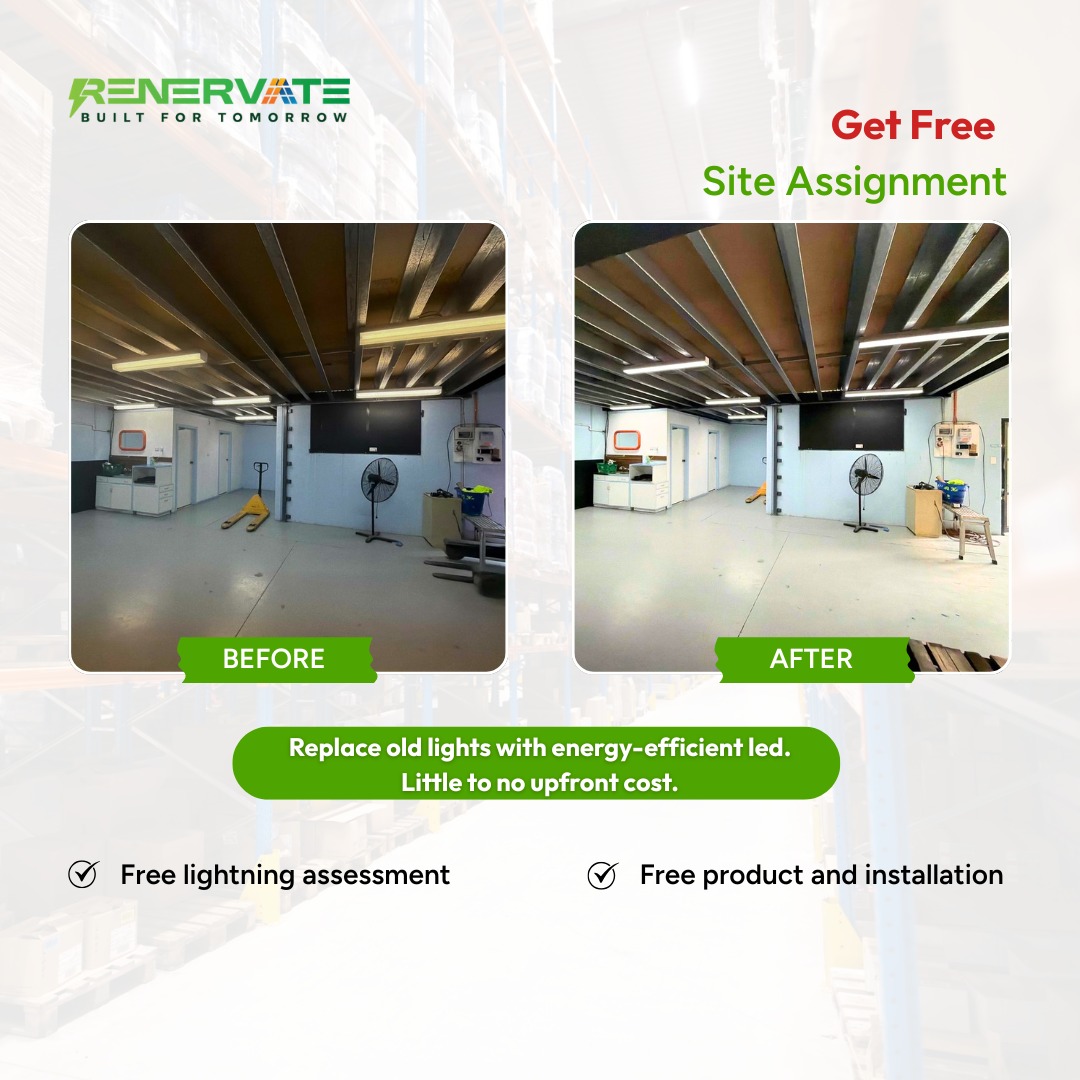
- Commercial LED Upgrades: Transform your store, workplace, or warehouse. This update reduces lighting costs by up to 80% and requires no extra costs for many Victorian businesses.
Discover how we deliver world-class energy efficiency solutions by exploring Renervate’s technical services portfolio. With our expertise, your efficiency projects will be data-backed, high-performance, and designed for long-term profitability.
FAQ
What are the energy management tools?
Utility meters and submeters, sensors, building automation systems, smart thermostats, VFDs, lighting controllers, and data recorders are a few instances of energy management tools that measure, regulate, or lower energy use.
What are the sustainable energy solutions?
Utilising renewable resources like sun, wind, and hydropower to produce electricity is a key component of sustainable energy solutions. These resources are plentiful and constantly supplied by natural processes, in contrast to finite fossil fuels.
Can both houses and businesses benefit from energy-efficient solutions?
Indeed. Smart devices and energy-efficient appliances help homes, while automation, predictive analytics, and centralised energy control systems help companies and industries save more money.
Are energy-efficient tools expensive to install?
Although the initial prices vary, many solutions are reasonably priced and provide significant returns in the form of decreased energy bills, cheaper maintenance expenses, and long-term savings.
What is the best way to start using energy-efficient solutions?
Start by monitoring energy usage, upgrading to LED lighting, and improving insulation, then gradually invest in smart controls, AI energy systems, and renewable energy solutions.
What makes 2026 energy-efficient tools better than older technologies?
In 2026, energy-efficient tools will be more advanced due to the integration of AI, IoT, and cloud analytics. Unlike older systems that relied on manual control, modern tools automatically adjust energy usage based on real-time data, weather conditions, and user behaviour. This makes them more accurate, adaptive, and cost-effective.